
Renovation projects often bring excitement, but when the dust settles, piles of broken materials, old fixtures, and forgotten odds and ends remain. What was once a room filled with promise can quickly feel like a storage yard for unwanted debris. Homeowners often underestimate the amount of clutter that accumulates, with bags of drywall scraps, unused tiles, and boxes of packaging scattered across the floor. This aftermath requires careful handling to keep the fresh space from being overshadowed by the mess.
The process of sorting through renovation leftovers demands patience and attention. Deciding which items can be salvaged and which must go becomes a balancing act between practicality and sentiment. Some pieces may still carry value if repurposed, while others hold nothing but dust. Without a plan, the debris lingers, creating stress instead of satisfaction. Tackling the mess promptly ensures that the renovation feels complete, transforming a chaotic scene into one that highlights the hard work and creativity that went into the project.
Disposing of Construction Debris Responsibly
After a renovation, stacks of lumber, broken tiles, and cracked concrete often take up more space than anticipated. While it may be tempting to toss everything into the nearest bin, responsible disposal requires more than quick dumping. Many renovation leftovers contain materials that cannot go to a standard landfill. Hazardous components, adhesives, and treated wood call for special handling. Understanding where these items belong avoids both legal issues and environmental harm.
Local recycling centers and disposal facilities usually provide guidance for construction debris. Some materials can be broken down and reused, reducing waste while contributing to sustainable practices. Taking the time to research these options may feel like an added step, but the payoff is a cleaner community and a lighter environmental footprint. Instead of seeing discarded debris as a burden, it can be reframed as an opportunity to make responsible choices. Managing waste correctly transforms the cleanup into a continuation of the project rather than an afterthought.
Tackling Large and Bulky Items After Remodeling
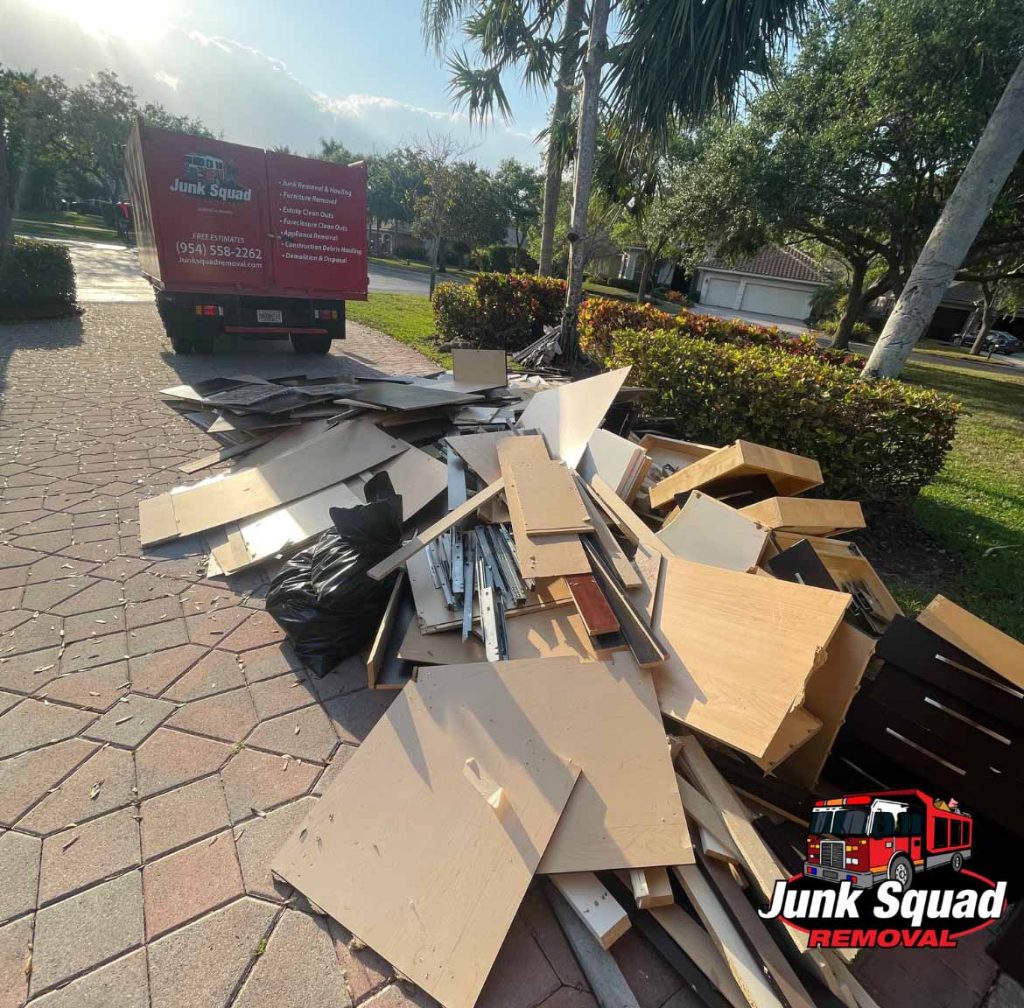
During renovations, bulky items often become part of the clutter. Old cabinets, countertops, or bathroom fixtures rarely fit into standard trash bins. Attempting to move them without preparation can lead to frustration or even injury. These oversized pieces require strategy, proper lifting techniques, and sometimes additional equipment. Without these precautions, the excitement of renovation can quickly shift into exhaustion.
The key to handling bulky items lies in breaking them down when possible. Dismantling cabinets into smaller panels or detaching legs from tables makes transport easier. If breaking down is not an option, scheduling professional pickup ensures heavy items leave safely and efficiently. Large objects may look daunting at first, but once a plan is in place, they no longer stand as immovable obstacles. Instead, clearing them becomes part of the rewarding journey of creating a new space, allowing the focus to return to the improvements rather than the leftovers.
Dealing with Dust and Smaller Debris
Not all renovation junk is obvious at first glance. Beyond the piles of wood and drywall lies a more subtle but equally frustrating challenge: dust and tiny debris. Sawdust clings to surfaces, paint chips hide in corners, and nails or screws linger unnoticed on the floor. These smaller remnants are easy to overlook yet can cause damage to furniture, clog air filters, or even present safety risks if stepped on.
Cleaning up fine debris requires more than sweeping. Vacuuming with high-efficiency filters, wiping down surfaces repeatedly, and carefully checking hidden corners ensures the space is safe and comfortable. Taking time to remove smaller particles helps preserve the freshness of the renovation. It may not feel as satisfying as hauling away a large cabinet, but addressing dust and fine debris makes the new environment truly livable. A spotless finish allows the improvements to shine, free from reminders of the construction phase.
Deciding What to Keep After Renovation
Renovations often reveal forgotten items or create leftovers that still hold value. Extra tiles, wood planks, or hardware may be worth saving for future repairs. At the same time, holding on to too much can quickly turn into clutter. The challenge lies in knowing what is practical to keep and what only takes up unnecessary space. This decision requires both foresight and honesty about the likelihood of reuse.
Designating a specific area for saved items prevents them from blending into general clutter. Keeping only what truly matches the renovated space avoids wasting storage on mismatched or outdated pieces. Extra supplies in good condition can also be donated to community projects or local reuse centers. Striking this balance ensures that the renovation leaves behind useful resources instead of overwhelming clutter. Thoughtful decisions about what stays and what goes make the finished project feel intentional and organized.
The Hidden Cost of Ignoring Junk Removal
It is easy to focus on the beauty of a renovated room while overlooking the junk left behind. Yet failing to deal with the clutter can lead to unexpected costs. Piles of debris not only take up space but may also attract pests or damage the new improvements. Old wood, nails, or damp materials can create hazards that undo the comfort and safety gained through the renovation.
Ignoring the cleanup often forces homeowners to address the mess later under more stressful circumstances. By then, materials may have deteriorated or spread, complicating disposal. What could have been a simple removal becomes a larger expense. Promptly clearing renovation junk not only completes the project but also protects the investment. Taking responsibility for the aftermath avoids costly surprises and preserves the satisfaction of seeing the renovated space fully realized without lingering distractions.
Repurposing Renovation Leftovers
Not every scrap from a renovation needs to head to the landfill. Many leftovers can find a second life through creative repurposing. Pieces of wood may become shelves, old doors can be turned into tables, and even broken tiles can transform into mosaic projects. Seeing these remnants as raw materials rather than trash shifts the perspective of cleanup. What once seemed like junk becomes an opportunity for creativity.
Repurposing also reduces waste while adding unique touches to a home. A reclaimed wood bench or decorative accent made from leftover stone carries both function and story. Beyond personal projects, donating reusable materials extends their value to others who can benefit from them. This approach brings a sense of continuity to the renovation process, blending sustainability with individuality. Repurposing leftovers transforms what might have been discarded into a meaningful part of the overall improvement journey.
Organizing the Cleanup Process
Renovation cleanup becomes overwhelming without structure. The sheer volume of debris can make it hard to know where to begin. Establishing a system simplifies the task and prevents feeling buried in clutter. Starting by separating items into categories—such as recyclables, reusable materials, and true waste—creates clarity. Once items are sorted, removal becomes much more manageable.
Timing also plays a role in effective organization. Scheduling regular cleanups throughout the renovation reduces the final burden and keeps workspaces safer. Instead of facing a mountain of debris at the end, the process feels steady and controlled. With the right approach, organizing cleanup transforms what might seem like a dreaded chore into a natural part of the renovation. Orderly removal not only clears physical space but also supports the mental relief that comes with a clean, finished environment.
The Emotional Relief of Clearing Renovation Junk
The physical mess of renovation junk can weigh heavily on the mind. Seeing piles of debris where a new room should shine often dampens the sense of accomplishment. The act of clearing it away does more than tidy the space—it restores peace of mind. Removing junk creates a visible shift from chaos to clarity, marking the true end of the renovation process.
This emotional relief is just as valuable as the practical benefits of cleanup. When the last bag of debris is gone, the space finally reflects the vision that inspired the renovation in the first place. The room feels open, complete, and ready to be enjoyed. Without clutter lingering in the background, the improvements can be fully appreciated. Clearing junk is more than disposal; it is the final step in reclaiming comfort and joy within the home.
Preparing for Future Renovations by Managing Junk
The way junk is handled after one renovation sets the stage for the next. Learning from the cleanup process helps prepare for future projects. Recognizing how much debris was generated, which materials could be salvaged, and which required special disposal creates insight. These lessons inform better planning for future renovations, reducing both stress and clutter.
By building a habit of mindful disposal, homeowners create smoother experiences with each new project. Having a plan in place for sorting, recycling, and removal ensures that cleanup no longer feels like an afterthought. Instead, it becomes an integrated part of the renovation journey. Preparing for the future through thoughtful junk management transforms renovation projects from messy ventures into efficient, well-rounded experiences. The lessons of one cleanup make the next project easier to face with confidence and control.
Conclusion
Finishing a renovation often means more than enjoying the new design—it also requires confronting the clutter left behind. Clearing debris, deciding what to keep, and managing disposal responsibly ensures that the project feels complete. The sense of relief that comes with a junk-free home highlights the value of thorough cleanup. Without piles of unwanted material, the focus can remain on the improvements and the comfort they bring.
When the task feels overwhelming, professional support can make a difference. Junk Squad Removal in Broward County offers reliable junk removal services that simplify the process and ensure waste is handled correctly. Their team helps turn post-renovation chaos into order, giving homeowners the chance to enjoy their updated space without the burden of leftover debris. For efficient junk removal, they can be reached at +19546862463.