When your unwanted items are lifted from your property, the process of transformation starts immediately. Every piece of furniture, appliance, or miscellaneous clutter takes a journey that begins with careful handling. Removal crews sort through materials, separating what can be reused, recycled, or safely disposed of. This initial step is more than simply moving objects from one place to another. It involves considering environmental impacts and practical reuse opportunities, ensuring items are directed to their best possible next life. Each item is evaluated to determine whether it can be salvaged or if it must be broken down responsibly.
Sorting and transportation are guided by strict local regulations and best practices in waste management. Specialized vehicles transport items to designated facilities where recycling centers, donation hubs, and disposal sites await. The process reduces the volume of waste heading straight to landfills, while giving usable goods a chance to benefit communities in need. For items that cannot be reused, environmentally responsible methods prevent contamination and reduce hazards. With professional oversight, your clutter is transformed into something manageable, whether it’s recycled materials, repurposed furnishings, or safely disposed debris, creating a cleaner environment for everyone.
Recycling and Repurposing Pathways
Once items reach sorting facilities, recycling takes center stage. Metals, plastics, and wood are separated for processing, allowing raw materials to be reintroduced into manufacturing cycles. Electronics are handled with special care, with components like circuit boards, batteries, and wires dismantled and reclaimed. Furniture and household goods that remain in usable condition are often donated to shelters or sold at second-hand outlets, extending their lifespan and minimizing waste. This careful redistribution helps communities, reduces environmental impact, and supports sustainability initiatives.
Repurposing goes hand in hand with recycling, as creative solutions transform discarded items into functional materials. Broken wood may be chipped into mulch, metal scrap can become raw material for construction, and fabrics can be remade into insulation or industrial products. By diverting as much material as possible from landfills, the process not only conserves resources but also reduces the ecological footprint of waste. Through this method, the once-unwanted clutter becomes a part of a continuous cycle, demonstrating that junk is rarely “just junk” and emphasizing the importance of mindful disposal strategies.
Landfill Management and Environmental Safety
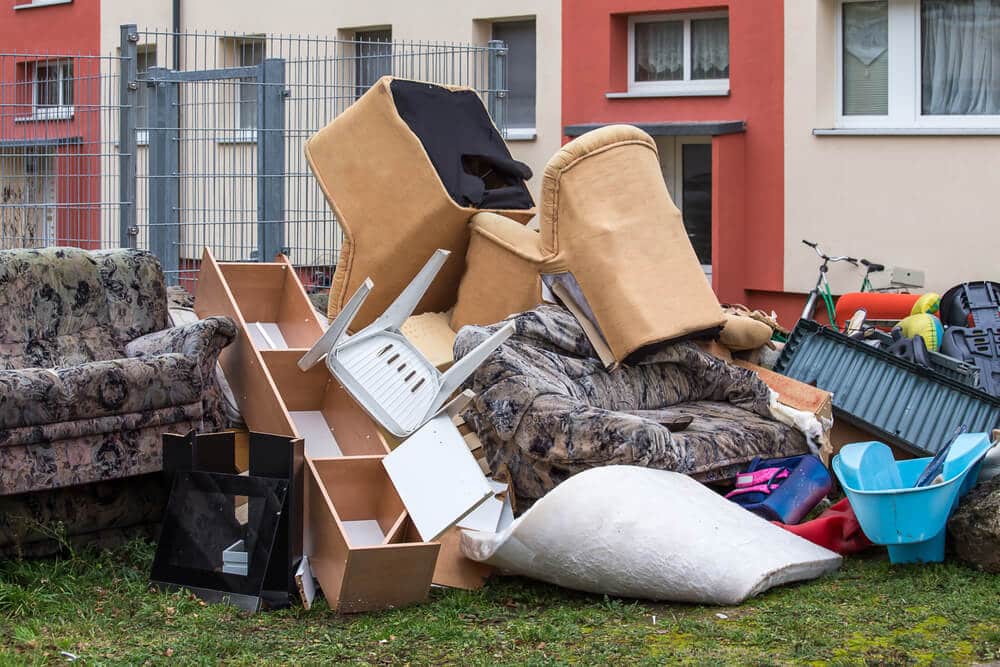
Items that cannot be recycled or repurposed are sent to regulated landfills. These sites are designed to contain waste safely, preventing harmful leachates and minimizing environmental damage. Modern landfills incorporate systems to capture gases, manage runoff, and monitor potential contamination, ensuring that discarded materials pose minimal risk to surrounding communities. This step, while often overlooked, is crucial in maintaining a healthy balance between human activity and environmental preservation. Proper landfill management is not only about containment; it’s about integrating the process with sustainable practices and reducing long-term ecological consequences.
By directing unsuitable items to controlled facilities, professionals ensure compliance with local and state environmental regulations. This oversight protects soil and water from contamination, reduces the spread of pollutants, and manages decomposition processes efficiently. Even though some materials inevitably end up buried, careful planning and responsible landfill design turn what could be environmental hazards into managed resources.
Electronic Waste Handling
Electronic devices require specialized attention during disposal. Items like computers, televisions, and small appliances contain hazardous elements such as lead, mercury, and other heavy metals. Handling e-waste improperly can have severe environmental and health consequences. Professionals dismantle electronics, safely removing harmful components and sorting recoverable metals, plastics, and glass. These materials are then sent to certified recyclers, who process them into new products. This careful approach prevents toxic substances from contaminating the environment and ensures that valuable materials are efficiently reclaimed.
E-waste recycling often involves detailed tracking and processing protocols. Batteries are separated for proper chemical treatment, circuit boards are shredded and refined, and casings are sorted for reuse. This process not only protects the environment but also supports the production of new electronics without the need for fresh raw materials. Responsible e-waste handling illustrates the broader impact of junk removal services, highlighting how thoughtful disposal contributes to sustainability, resource conservation, and the reduction of harmful pollutants in communities.
Donation Opportunities for Usable Items
Items in good condition often find new homes through donations. Furniture, appliances, and household goods that remain functional are evaluated for quality and then directed to charities, shelters, or community organizations. This approach benefits individuals and families who may not have the means to purchase new items, while also keeping usable goods out of landfills. Donation programs serve a dual purpose: providing social benefit and supporting environmental responsibility.
Donation centers frequently collaborate with junk removal services to streamline the collection process. By scheduling pickups and organizing delivery, professionals make it easier for clients to contribute items without logistical stress. Communities reap the rewards of redistributed goods, gaining access to necessities while reducing overall waste. This cycle exemplifies how thoughtful junk removal not only clears space but also enriches society, proving that your once-unwanted possessions can have a lasting positive impact beyond your home.
Specialized Waste Treatment
Certain types of waste demand expert handling due to safety or environmental concerns. Hazardous materials, chemicals, paints, and automotive fluids require specialized treatment to prevent harm. Junk removal professionals identify these items during collection and ensure they are directed to certified facilities equipped to manage them safely. This attention to detail prevents accidental contamination and protects both the removal crew and the broader public. Specialized waste treatment demonstrates the comprehensive approach of modern junk removal, addressing all potential risks and adhering to legal and ethical standards.
Handling hazardous materials involves precise protocols and safety measures. Containers are labeled, transported securely, and processed according to strict guidelines. This meticulous care reduces the likelihood of spills, exposure, or environmental hazards. By integrating specialized waste treatment into the removal process, communities benefit from safer environments, and clients gain peace of mind knowing their items are disposed of responsibly.
Efficient Logistics and Transportation
Transportation plays a critical role in the post-removal journey. Once items are sorted, they must be moved to recycling centers, donation outlets, or disposal facilities efficiently. Junk removal companies employ fleets designed for quick, safe transport while minimizing fuel use and emissions. Strategic route planning ensures timely deliveries and reduces environmental impact. This level of coordination exemplifies the hidden complexities behind what seems like a simple junk pickup, showcasing the importance of logistics in maintaining service quality and sustainability.
Careful handling during transit also prevents damage to materials and enhances safety for both workers and the public. By integrating efficient logistics with environmentally conscious practices, junk removal operations achieve maximum effectiveness. The combination of sorting, specialized treatment, and organized transport ensures that every item reaches its appropriate destination, supporting recycling, reuse, and responsible disposal initiatives.
The Role of Regulations and Compliance
Junk removal operates within a framework of local, state, and federal regulations. Compliance ensures that waste is handled safely, recycled appropriately, and that hazardous items are processed correctly. Professionals stay updated on evolving laws, maintaining permits and certifications necessary for legal operation. This regulatory adherence protects communities, reduces liability, and enforces ethical disposal practices. Without these safeguards, junk removal could pose risks to both people and the environment, highlighting the importance of structured, lawful operations.
Regulatory compliance also drives accountability and transparency in junk management. Clients can trust that every item is processed according to established guidelines, with records often kept for hazardous or electronic waste. By embedding legal and environmental standards into every step, removal companies not only clear clutter but also uphold public safety and ecological stewardship.
Community and Environmental Impact
The journey of junk after removal has profound implications for communities and the environment. Responsible disposal reduces landfill congestion, supports recycling initiatives, and diverts usable items to those in need. Communities experience cleaner public spaces, safer neighborhoods, and an overall reduction in waste-related hazards. Environmental benefits include conserved resources, lower greenhouse gas emissions, and reduced soil and water contamination. This ripple effect demonstrates that the act of removing junk is far more than a convenience; it is an investment in sustainable living and community well-being.
Community engagement is often intertwined with junk removal programs, promoting awareness of recycling and reuse opportunities. Educational initiatives, local partnerships, and volunteer efforts amplify the positive outcomes, encouraging residents to make responsible disposal choices. By participating in these cycles, individuals contribute to a culture of sustainability and shared responsibility.
Long-Term Benefits of Proper Disposal
Proper junk disposal has lasting effects that go beyond immediate cleanliness. By diverting materials from landfills, promoting recycling, and enabling reuse, it contributes to long-term sustainability. Households benefit from safer, clutter-free environments, while society enjoys resource efficiency and environmental preservation. Consistently using professional removal services ensures that each item is managed responsibly, turning short-term decluttering into a lasting positive impact. This thoughtful approach underscores the intersection of convenience, ethics, and ecological awareness in waste management.
Over time, responsible disposal helps shape behaviors, instilling habits of careful sorting, mindful consumption, and environmental accountability. As materials are recycled, reused, or safely discarded, the impact extends to future generations. The benefits ripple through neighborhoods, local economies, and ecological systems. =
Conclusion
Understanding what happens to your junk after removal reveals a complex journey of recycling, repurposing, and responsible disposal. Every item collected is carefully assessed, sorted, and transported to its appropriate destination. Metals, plastics, furniture, and electronics are directed to facilities that maximize reuse, prevent contamination, and reduce environmental harm. Hazardous materials receive specialized attention to protect both the environment and human health. Through efficient logistics, regulatory compliance, and community-focused strategies, junk removal transforms clutter into a meaningful cycle of sustainability and safety.
Choosing professional Junk Removal services like Junk Squad Removal in Broward County ensures that your discarded items are handled responsibly and efficiently. With the right team, your unwanted possessions not only leave your property quickly but also find new purposes wherever possible. This commitment to ethical disposal and community benefit makes every junk removal experience productive and environmentally friendly. Contact Junk Squad Removal today at +19546862463 to schedule service and participate in a system that values both cleanliness and conscious stewardship.